Hear out about the way many temples in Japan are finding creative ways to adapt to modern demands and tastes.

変化するお寺
Evolving Temples
Henka Suru Otera
変化するお寺
Evolving Temples
Henka Suru Otera
昔、日本のお寺には、年配の方が参拝する姿がよく見られました。
In the past, it was common to see elderly people visiting Japanese temples.
Mukashi, Nihon no otera ni wa, nenpai no kata ga sanpai suru sugata ga yoku miraremashita.
しかし、最近は若者や外国人が多く訪れます。
However, recently, many young people and foreigners have been visiting.
Shikashi, saikin wa wakamono ya gaikokujin ga ooku otozuremasu.
人気の理由のひとつは、お寺で宿泊できる「宿坊」です。
One reason for their popularity is the “shukubo” where you can stay overnight at the temple.
Ninki no riyuu no hitotsu wa, otera de shukuhaku dekiru “shukubou” desu.
本来は修行する僧侶や参拝者が宿泊しますが、観光客を受け入れる施設が増えてきました。
Originally, these were accommodations for monks in training and worshippers, but now more facilities are accepting tourists.
Honrai wa shugyou suru souryo ya sanpaisha ga shukuhaku shimasu ga, kankoukyaku wo ukeireru shisetsu ga fuetekimashita.
ここでは、野菜や豆腐などの植物性の食材だけで作った「精進料理」を味わうことができます。
Here, you can enjoy “shojin ryori,” which is made entirely from plant-based ingredients like vegetables and tofu.
Koko de wa, yasai ya toufu nado no shokubutsusei no shokuzai dake de tsukutta “shoujin ryouri” wo ajiwau koto ga dekimasu.
他には、境内にカフェを併設しているお寺もあります。
Additionally, some temples have cafes on their grounds.
Hoka ni wa, keidai ni kafe wo heisetsu shiteiru otera mo arimasu.
日本の文化であるお寺と、おしゃれなスイーツやコーヒーが味わえるカフェは、和洋折衷の雰囲気が人気です。
The combination of traditional Japanese temples with stylish sweets and coffee creates a popular fusion of Japanese and Western atmospheres.
Nihon no bunka de aru otera to, oshare na suiitsu ya koohii ga ajiwareru kafe wa, wayou secchuu no fun’iki ga ninki desu.
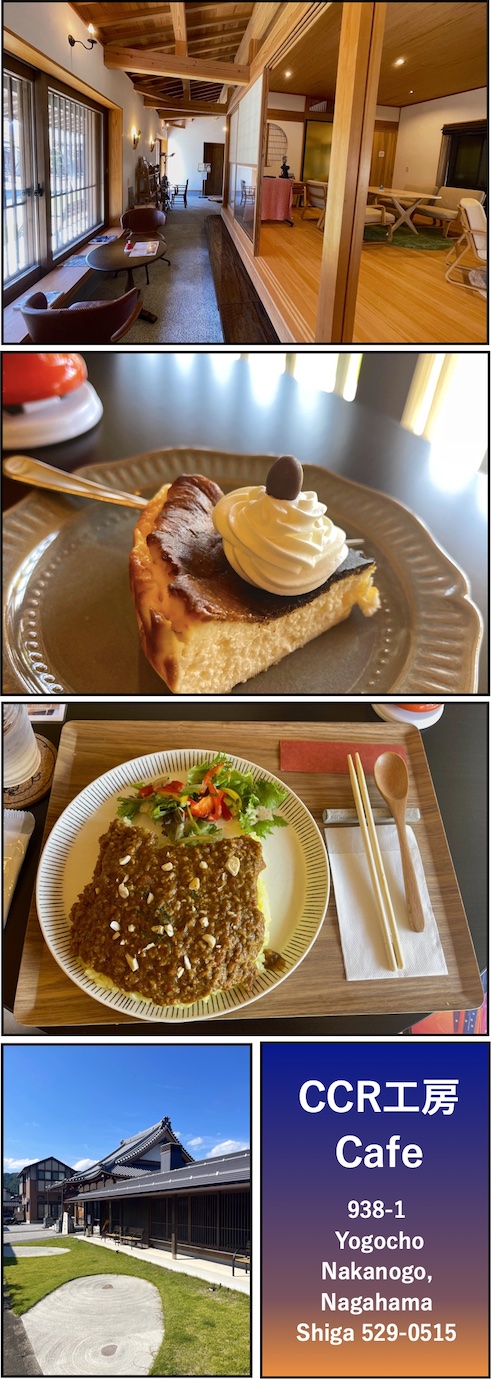
先日私は、滋賀県のお寺にあるカフェを訪れました。
Recently, I visited a cafe at a temple in Shiga Prefecture.
Senjitsu watashi wa, Shiga-ken no otera ni aru kafe wo otozuremashita.
美しく手入れされた庭を眺めながら、落ち着いた空間でゆったりした時間を過ごすことができました。
I was able to spend a relaxing time in a calm space while looking at the beautifully maintained garden.
Utsukushiku teire sareta niwa wo nagamenagara, ochitsuita kuukan de yuttari shita jikan wo sugosu koto ga dekimashita.
皆さんも変わりゆくお寺にぜひ足を運んでみてください。
I encourage everyone to visit these evolving temples.
Minasan mo kawariyuku otera ni zehi ashi wo hakonde mite kudasai.

| Japanese | English | Hiragana |
|---|---|---|
| 変化するお寺 | Changing Temples | へんかするおてら |
| 昔 | In the past | むかし |
| 年配の方 | Elderly people | ねんぱいのかた |
| 参拝する姿 | Figure of worshipping | さんぱいするすがた |
| 見られました | Was seen | みられました |
| 最近 | Recently | さいきん |
| 若者 | Young people | わかもの |
| 外国人 | Foreigners | がいこくじん |
| 多く | Many | おおく |
| 訪れます | Visit | おとずれます |
| 人気の理由 | Reason for popularity | にんきのりゆう |
| 宿泊できる | Can stay overnight | しゅくはくできる |
| 宿坊 | Temple lodging | しゅくぼう |
| 本来 | Originally | ほんらい |
| 修行する僧侶 | Training monks | しゅぎょうするそうりょ |
| 参拝者 | Worshippers | さんぱいしゃ |
| 観光客 | Tourists | かんこうきゃく |
| 受け入れる施設 | Facilities that accept | うけいれるしせつ |
| 増えてきました | Have increased | ふえてきました |
| 野菜 | Vegetables | やさい |
| 豆腐 | Tofu | とうふ |
| 植物性 | Plant-based | しょくぶつせい |
| 食材 | Ingredients | しょくざい |
| 作った | Made | つくった |
| 精進料理 | Buddhist vegetarian cuisine | しょうじんりょうり |
| 味わうことができます | Can taste | あじわうことができます |
| 他には | Besides that | ほかには |
| 境内 | Temple grounds | けいだい |
| 併設 | Attached | へいせつ |
| 文化 | Culture | ぶんか |
| おしゃれな | Stylish | おしゃれな |
| 味わえる | Can experience | あじわえる |
| 和洋折衷 | Blend of Japanese and Western styles | わようせっちゅう |
| 雰囲気 | Atmosphere | ふんいき |
| 先日 | The other day | せんじつ |
| 滋賀県 | Shiga Prefecture | しがけん |
| 美しく | Beautifully | うつくしく |
| 手入れされた庭 | Well-maintained garden | ていれされたにわ |
| 眺めなが | While viewing | ながめなが |
| 落ち着いた空間 | Calm space | おちついたくうかん |
| ゆったりした時間 | Relaxing time | ゆったりしたじかん |
| 過ごす | Spend (time) | すごす |
| 変わりゆく | Changing | かわりゆく |
| ぜひ | By all means | ぜひ |
| 足を運んでみてください | Please come and visit | あしをはこんでみてください |

Download PDF of this Lesson
